

How Sustainable Facades Improve Building Performance and Efficiency
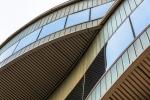
The demand for high-performance, energy-efficient buildings continues to rise as sustainability becomes a central focus in architectural design. One of the most transformative elements contributing to this shift is the use of sustainable facades. More than just a building's outer shell, a well-designed facade serves multiple roles enhancing aesthetics, controlling energy use, and ensuring occupant comfort.
This article explores how sustainable facades improve building performance and efficiency, shedding light on their functions, design considerations, material choices, and the long-term benefits they bring to both commercial and residential structures.
Understanding the Purpose of a Building Facade
A facade is the interface between the internal environment and the external surroundings. Traditionally, facades were designed with a focus on appearance. However, as building codes evolve and energy efficiency becomes a global priority, facades have transformed into active contributors to performance metrics.
A high-performing facade must address a range of environmental factors solar gain, thermal insulation, ventilation, daylight access, and noise reduction while remaining visually appealing. This is where the concept of sustainabiity takes centre stage.
What Makes a Facade Sustainable?
Sustainable facades integrate environmental responsiveness with architectural functionality. They are designed not only to minimise energy consumption but also to reduce the building's overall carbon footprint throughout its life cycle.
Key characteristics include:
- Use of environmentally responsible or recycled materials
- Thermal insulation to improve energy efficiency
- Solar shading to control heat gain
- Natural ventilation for improved indoor air quality
- Integration of renewable energy elements such as photovoltaic panels
- Long service life with low maintenance requirements
Sustainability in facades is not a single feature, but a comprehensive approach that considers design, material, performance, and impact.
- Energy Efficiency and Thermal Comfort
One of the most significant contributions of these facades is enhanced energy performance. Facades act as a thermal barrier, regulating the heat flow between the building's interior and the outside environment. When designed correctly, they reduce reliance on mechanical heating and cooling systems.
This is typically achieved through:
- High-performance glazing: Double or triple-glazed units with low-emissivity coatings reduce heat transfer while allowing daylight in.
- Insulated cladding: External wall systems designed with insulation cores help maintain indoor temperature.
- Thermal breaks in framing systems: These prevent conductive heat loss in metal frames, especially in aluminium-based facade systems.
Improved thermal comfort leads to better occupant satisfaction, while reduced energy consumption contributes to lower operational costs and environmental impact.
- Daylighting and Visual Comfort
Natural light is essential for human well-being and productivity. However, unregulated sunlight can cause glare, overheating, and excessive cooling loads. Sustainable facades are strategically designed to optimise daylight without compromising comfort.
Architects employ several techniques to manage natural lighting:
- Light shelves: Horizontal devices that reflect light deeper into interior spaces.
- Dynamic shading systems: Automated blinds or louvers that adjust based on sun angles.
- Smart glazing: Glass that adjusts tint based on sunlight intensity to reduce glare while maintaining views.
By enhancing daylight penetration, buildings can reduce the need for artificial lighting, which is one of the largest energy consumers in commercial spaces.
- Material Selection and Environmental Impact
Choosing the right materials is central to creating environmentally responsible building envelopes. Materials used in these facades are selected based on their environmental credentials, durability, and recyclability.
Some commonly used materials include:
- Aluminium: Often made from recycled content and fully recyclable after use.
- Glass: Modern glazing systems now feature improved thermal properties and are recyclable.
- Terracotta and fibre cement panels: Natural materials with excellent durability and low environmental impact.
- Timber: Sourced from sustainably managed forests, offering aesthetic warmth and low embodied energy.
Material sourcing and lifecycle considerations ensure that the facade does not contribute to environmental degradation either during construction or at the end of its life.
- Ventilation and Indoor Air Quality
Modern facade systems can also play an active role in improving indoor air quality by supporting natural ventilation strategies. Through the integration of operable windows, ventilated cavities, and breathable cladding materials, buildings can regulate airflow without relying entirely on mechanical ventilation.
Some systems also employ double-skin facades, where a cavity between two layers of glazing facilitates natural ventilation and solar shading. This approach allows stale air to escape while drawing in fresh air, contributing to a healthier indoor environment and lower energy use.
Incorporating ventilation within the facade design helps prevent sick building syndrome, supports cognitive performance in workspaces, and aligns with modern wellness standards in architecture.
- Solar Control and Passive Design
Excessive solar gain can overheat internal spaces, leading to increased air conditioning costs. By integrating passive solar design principles, sustainable facades control solar exposure to reduce cooling loads.
Common strategies include:
- External shading devices such as brise soleil or overhangs
- Fixed or operable louvres to block high summer sun while allowing low winter sun
- Solar control coatings on glazing that reflect infrared light while maintaining transparency
Passive design elements work with nature rather than against it, improving energy efficiency without relying heavily on mechanical systems.
- Durability and Low Maintenance
Durable facades are critical for sustainability. A well-designed facade can last several decades with minimal maintenance, reducing the need for material replacement and associated emissions.
Weather-resistant materials like anodised aluminium, treated glass, and ceramic panels perform well against UV exposure, wind, rain, and pollution. Their longevity also adds financial value by minimising refurbishment and repair costs.
In addition, many are designed with modular components that can be easily replaced or upgraded without dismantling the entire system. This future-proofs the building and supports ongoing improvements in energy performance.
- Contribution to Green Building Certifications
Many modern buildings pursue green certifications that play a pivotal role in achieving these credentials. Points are often awarded for:
- Energy efficiency
- Daylight availability
- Use of low-emission materials
- Thermal comfort
- Sustainable material sourcing
By integrating these facades, project teams can significantly boost their overall sustainability score.
Case Study Insights and Practical Application
Across cities worldwide, some of the most iconic and efficient buildings owe their success in part to their facade systems. While the designs vary from sleek glass towers to complex ventilated cladding systems the underlying principles remain consistent: energy efficiency, occupant well-being, and environmental stewardship.
Architects and developers are increasingly treating facades as high-performance systems, investing in early-stage planning, advanced simulations, and multidisciplinary collaboration. This shift from viewing facades as cosmetic to seeing them as essential to performance is what defines modern architectural success.
The Future of Facade Technology
As construction continues to embrace digital innovation, facade technology is evolving rapidly. Several advancements are influencing the next generation of sustainable facades:
- Building-integrated photovoltaics (BIPV): Glass and cladding materials that generate electricity from sunlight.
- Sensor-based controls: Real-time responsiveness to temperature, sunlight, or occupancy.
The integration of smart technologies with sustainable materials will redefine how buildings interact with their environments making them not only energy-efficient but also intelligent and self-regulating.
Conclusion
As urban environments grow denser and climate goals become more ambitious, the role of sustainable facades will only become more critical. These systems are no longer optional design elements but foundational components of efficient, resilient, and people-centric buildings.
From improving energy use and occupant comfort to reducing environmental impact and enhancing aesthetic value, sustainable facades represent a convergence of science, design, and responsibility. For developers, architects, and engineers aiming to future-proof their buildings, investing in thoughtful facade design is a forward-looking and impactful decision.